Student-Centered Learning
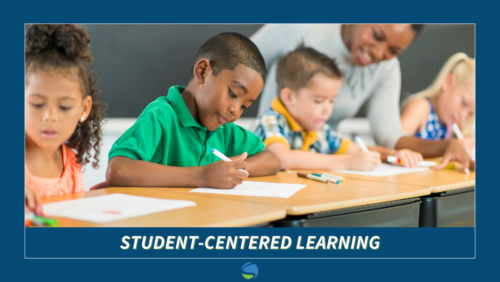
In recent years, there has been a shift in education towards so-called "student-centered" teaching practices. This means that instead of teachers presenting information to students and expecting them to regurgitate it back on tests, student-centered classrooms focus on giving students the opportunity to explore and discover information for themselves. But what does this have to do with child development?
My daughter just started Kindergarten in late August, and I just finished my parent/teacher conference. So this topic has been on my mind. As I was waiting for the conference to begin I was looking at all the student art on the walls. As a proud dad, I get to my daughter’s and of course expect to think it was the best thing ever. Then I saw it. It was bad. Really bad. Objectively close to the worst in the class. As I am in my feelings a bit I begin the conference. Early on in the conference we talk about her social skills and spirit in the classroom. Social Butterfly. Friends with everyone. We conclude with her Fall NWEA MAP scores. High 80th percentile in Reading. Mid 70th percentile for Math. Reality check for dear old dad….kids develop differently. I knew this and taught it to teachers when I was a principal. Logic goes out the window as a parent. Judgment, fear of falling behind, ranking, ordering, measuring against others…it all creeps in. Kids develop differently and that is a wonderful thing.
The kindergarten classroom is often the first time young children are exposed to formal education outside of the home. It's a time when they're learning how to be away from their parents, make friends, and follow rules. All of this can be very overwhelming for some children. That's why it's so important that kindergarten classrooms use teaching practices that honor child development. In my daughter’s case, she loves art but is horrible at it. For other kids, they may love art and struggle with their letter sounds. Where they struggle or where they shine is irrelevant to the instructional leader (teacher) in that classroom. Their job is to tap into the joy in process and love of learning.
When teachers use student-centered practices, they're taking into account the fact that young children are still learning how to regulate their emotions and behavior. They're also accommodating for the fact that young children have short attention spans and need to move around more. Play is so critical to learning. The days of sitting at a desk and listening to lecture after lecture are long gone. By honoring these things about child development, student-centered practices help ensure that all students have a positive experience in the kindergarten classroom.
All students deserve an education that honors their individual developmental needs. Student-centered practices are one way of ensuring that all students, regardless of their age or abilities, can thrive in the classroom. If you're interested in implementing more student-centered practices in your own classroom, there are a number of resources available to help you get started…I’d love to talk with you about them. If you have any tips or tricks feel free to comment below. Would love to hear your thoughts!
Written by: Dr. Tim Tenneriello, COO